To spot a flood-damaged car, check three things: the paperwork (a Texas Flood Damage title remark, NMVTIS brands, NICB records), the cabin (musty or heavily perfumed smell, damp or mismatched carpet, mud or water lines), and the metal (unusual rust under the car and on screws and seat tracks). Then have a mechanic inspect it before you pay. Water can slowly destroy electrical and mechanical systems, and the damage may not show up right away.
Flood cars are a real risk for Texas buyers after storms. The FTC warns that storm-damaged cars are sometimes cleaned up and moved to other states for sale (FTC consumer alert). This guide walks through the checks in order.
Why a flood-damaged car is a problem
Floodwater can reach wiring, connectors, control modules and mechanical parts that are hard to clean or inspect. The FTC says water damage "can slowly destroy mechanical and electrical systems" and can cause rust and corrosion. NHTSA warns that flood damage can affect a vehicle for years and may not appear immediately (NHTSA hurricane- and flood-damaged vehicles). For airbags and safety electronics, that matters: corrosion can cause electrical faults.
For hybrids and electric vehicles, NHTSA cautions that flooded high-voltage systems can pose shock and fire risks. Treat any flooded EV or hybrid as a specialist inspection job. See buying a used EV in Texas.
Step 1: Check the paperwork first
Paperwork is the cheapest check, so do it before you drive across town.
- Read the title. In Texas, if a car's salvage or nonrepairable condition was caused by flood, the title carries a Flood Damage remark that is carried forward on later titles (TxDMV Salvage/Nonrepairable Manual). Out-of-state documents marked flood damage are treated as salvage when the car comes into Texas.
- Run an NMVTIS report through TxDMV Title Check. It shows brands such as water damage, salvage and junk, and insurance total-loss records. The FTC also points to vehiclehistory.gov for free title information.
- Run NICB VINCheck at nicb.org/vincheck. The FTC notes it shows flood damage only if the car was insured when it was damaged.
- Look at where the car has been titled. Several title moves across states soon after a major storm is a warning sign. Not every state brands flood damage.
Our guide on how to check a Texas title for salvage and flood damage explains each report.
Step 2: Use your nose
Open the doors and trunk and close them behind you for a minute.
- Musty or moldy smell. NHTSA says a musty smell means a high likelihood the car has been exposed to water.
- Strong air freshener or deodorizer. NHTSA notes a heavy deodorizer smell may mean the seller is masking mildew. The FTC lists a strong cleaning-product odor among its signs.
Run the air conditioning and heater on full. A musty blast from the vents is a red flag.
Step 3: Look and touch inside
| Check | What to look for |
|---|---|
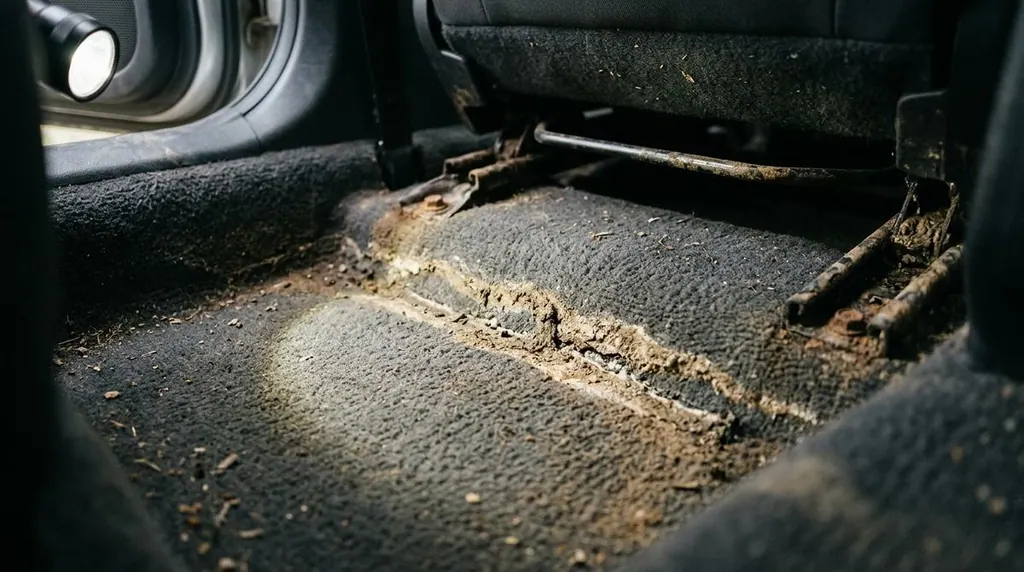
| Carpet | Loose, stained or mismatched carpet (FTC); damp spots; carpet that looks newer than the rest of the interior |
| Under the carpet and floor mats | Lift a corner if you can; look for moisture, silt or rust on the floor pan |
| Under the seats and dashboard | Mud or sand (FTC); dirt in places that do not get dirty |
| Trunk and spare tire well | Water lines, mud, rust, a damp spare well |
| Glove box and console | Silt, water stains, warped panels |
| Seat belts | Pull them all the way out; look for water stains or grit at the far end |
| Upholstery and headliner | Water stains, tide lines, mold spots |
NHTSA lists mud, dirt or water lines inside the vehicle, including hidden spots, as possible signs of flood damage.
Step 4: Check the metal
- Under the car. NHTSA advises checking for an unusual amount of rust or corrosion for the car's age.
- Door edges and hinges. The FTC lists rust around the doors as a sign.
- Screws, seat tracks and brackets. Rust on unpainted fasteners inside the cabin is unusual for a car that was never wet.
- Engine bay. Look for silt in crevices, corroded connectors and a water line on the firewall.
Compare what you see against what is normal for the car's age and where it has been registered.
Step 5: Test the electrics
Turn the key and test everything:
- Dashboard warning lights, especially the airbag light. On most cars it comes on briefly at start-up and then goes off; one that stays on needs a diagnosis.
- Power windows, locks, seats and mirrors.
- Radio, screens, backup camera and every speaker.
- Headlights, turn signals, brake lights and interior lights.
- Heater, AC and fan at every speed.
Intermittent faults, flickering screens or a stubborn warning light can come from corroded wiring. Have a scan tool read stored codes.
Step 6: Get a mechanic's inspection
The FTC recommends having an independent mechanic inspect the car for water damage. Choose the shop yourself. Ask them to check connectors, modules under the seats and carpet, the fuel system, brakes and the airbag system. See our pre-purchase inspection checklist.
If you own a car that flooded, the Texas Department of Insurance says experts recommend having a mechanic look at it before you try to start it, to avoid more damage (TDI flooded cars). The same logic applies to a car you are thinking of buying.
Questions to ask the seller
Ask these out loud and write down the answers. A seller's story that changes between questions is a clue in itself.
- How long have you owned the car, and where has it been parked and registered?
- Has it ever been in standing water, a flooded parking lot or a flooded street, even briefly?
- Has the carpet, any seat or any electrical module been replaced? Do you have receipts?
- Has an insurance company ever paid a claim on this car? For what?
- Can I see the title in person, not a photo, before we talk price?
- Can my mechanic inspect it on a lift, with the carpet lifted where possible?
A seller who refuses an independent inspection has answered the most important question for you.
Where flood cars tend to show up
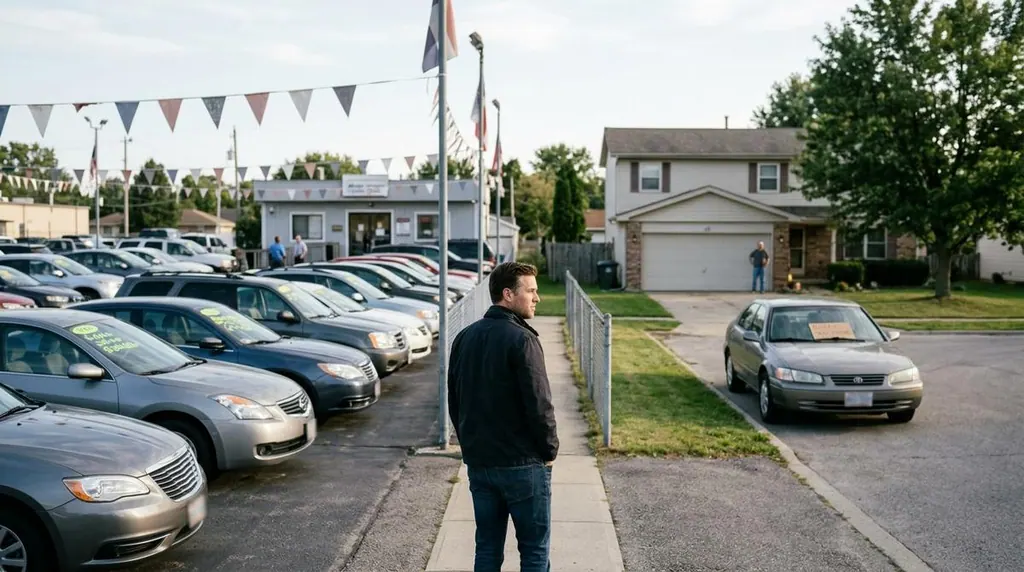
- Salvage auctions sell many insurance total losses after storms. See salvage auctions: Copart and IAA risks.
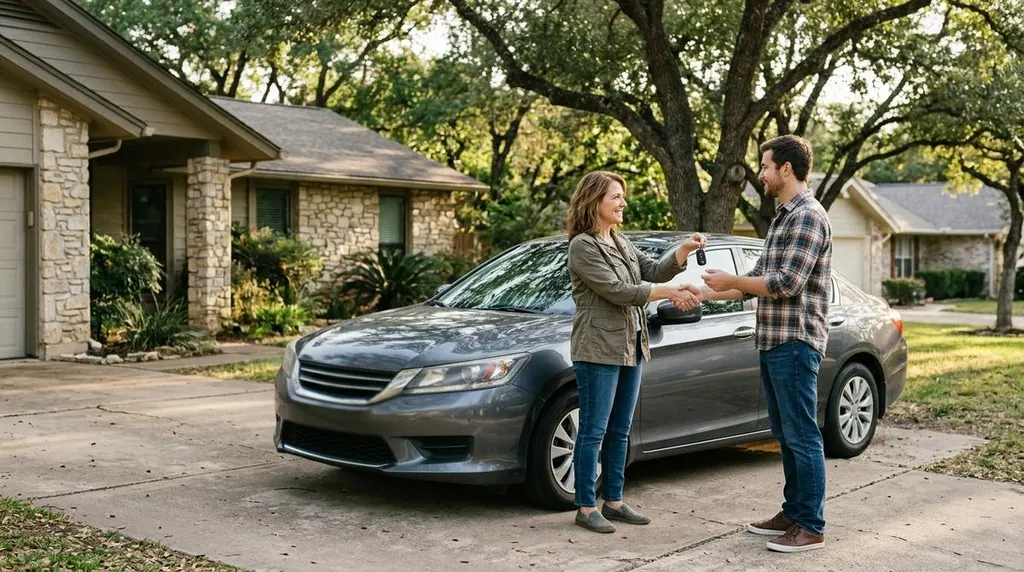
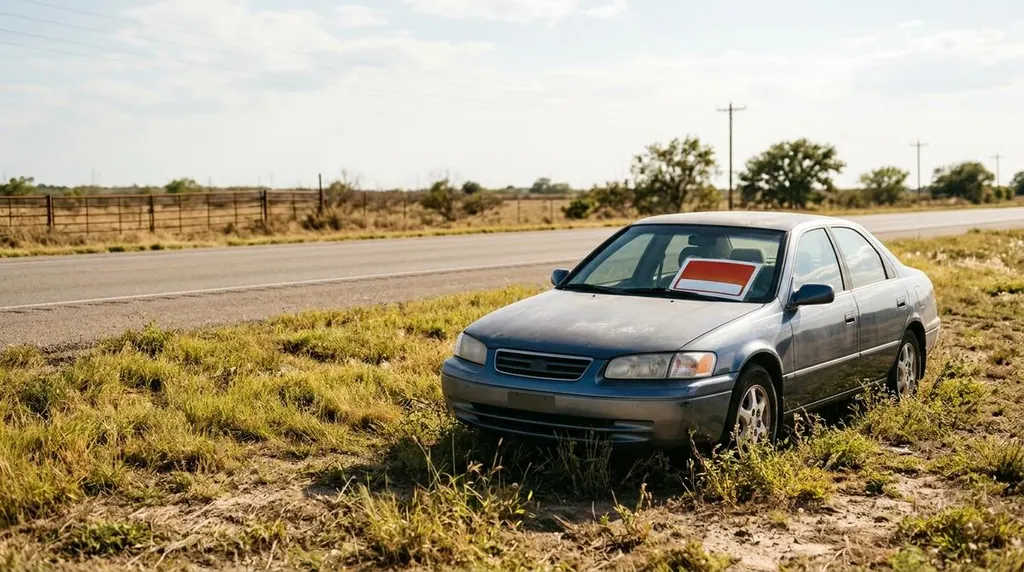
- Private sales and unlicensed sellers, where there is no dealer accountability. See curbstoning in Texas.
- Cars recently moved from another state after a major storm.
None of these means a car is flooded. They are places to look harder.
Common mistakes when checking for flood damage
- Trusting a clean history report alone. NICB VINCheck only shows flood losses when the car was insured at the time, and not every state brands flood damage. A clean report narrows the risk; it does not remove it.
- Inspecting a car that was just detailed. Fresh shampoo and a strong air freshener can hide the smell for a day. If you can, come back for a second look.
- Checking only the visible carpet. Silt and rust hide under the seats, under the carpet, in the spare tire well and at the far end of the seat belts.
- Letting a running engine settle the question. NHTSA warns that flood damage may not show up right away. A car that starts and drives today can develop electrical faults later.
- Skipping the inspection on a "cheap" car. A low price with a vague history is exactly when an inspection pays off.
- Buying from someone who is not on the title. If the name on the title does not match the seller's ID, stop. That is a classic sign of curbstoning.
Local notes for Austin and San Antonio buyers
No state inspection will catch it. Texas ended the safety inspection requirement for non-commercial vehicles on January 1, 2025 (Texas DPS). In Hays, Comal, Guadalupe and Caldwell counties there is no emissions test either, and in Travis, Williamson and Bexar counties the emissions test is about emissions, not water damage (TCEQ). The only inspection a used car gets before you buy it is the one you arrange.
Salvage yards are close by. IAA has branches in Dale and on S. Zarzamora St. in San Antonio, and salvage auctions like these sell insurance total losses. A car bought at one of those sales can show up later in a private listing, so a clean-looking car from an unknown seller deserves the full title check. The auctions hub lists the corridor's salvage branches.
Title checks are the same anywhere in Texas. Run TxDMV Title Check on any car you are considering, whether the seller is in Round Rock or south San Antonio. If you buy, you title the car at your own county tax office, and the title they issue will carry forward any Flood Damage remark already on record.
What I would do
If I were looking at a used car in Central Texas with any doubt about water, I would run the paperwork checks at home first, before I ever drove to see it. Then I would ask to see the car in daylight, cold, with the doors closed for a few minutes before I open them. I would pull the seat belts all the way out, look in the spare tire well, and lift a corner of the carpet if the seller lets me.
If two or more signs show up, such as a musty smell and rust on the seat tracks, I would walk away rather than try to price the risk. Flood damage is hard to estimate even for a mechanic, and there are plenty of other cars. If the car passes my checks, I would still pay for an independent inspection and ask the mechanic to look specifically for water damage, corroded connectors and stored fault codes.
A short flood check list for your next viewing
- Run TxDMV Title Check and NICB VINCheck before you go.
- Read the physical title for a Flood Damage remark or salvage brand.
- Close the car up for a minute, then smell the cabin.
- Run the AC and heater on full and smell the vents.
- Check under the seats, under the carpet, the trunk and the spare tire well.
- Pull every seat belt out to its end.
- Look for rust on screws, seat tracks, brackets and the underbody.
- Test every light, screen, speaker and power accessory.
- Watch for warning lights that stay on, especially the airbag light.
- Book an independent inspection and ask for a scan of stored codes.
If you think you were sold a flood car
The FTC says to contact NICB if you suspect a dealer is knowingly selling a storm-damaged or salvaged car as a good-condition used car, and to report it at ReportFraud.ftc.gov and to your state attorney general. In Texas, that is the Attorney General Consumer Protection Division. Complaints about a licensed Texas dealer can also go to TxDMV.
Sources
- FTC - How to steer clear of a flood-damaged car (2022)
- NHTSA - Hurricane- and flood-damaged vehicles
- TxDMV - Salvage/Nonrepairable Motor Vehicle Manual (January 2026)
- TxDMV - Title Check: Look Before You Buy
- NICB - VINCheck
- Texas Department of Insurance - Flooded cars
- FTC - ReportFraud
- Texas Attorney General - File a consumer complaint
- TxDMV - Complaints
- Texas DPS - Vehicle safety inspection program changes
- TCEQ - Vehicle emissions inspection overview
Frequently asked questions
What is the fastest way to tell if a car was flooded?
Smell the cabin with the doors closed, look under the seats and in the trunk for mud or water lines, and run an NMVTIS report and NICB VINCheck. Then get a mechanic's inspection before paying.
Will a Texas title always show flood damage?
No. A Texas title shows a Flood Damage remark when the car was branded salvage or nonrepairable because of flood. Damage that was never claimed, or brands lost in another state, may not appear.
Can a flooded car be safe to drive?
It depends on how deep the water was and what was repaired. NHTSA warns that flood damage can show up years later, so a car that runs well today may still have hidden electrical problems.
Is new carpet a sign of flood damage?
It can be. The FTC lists loose, stained or mismatched carpet among its flood signs. New carpet in an older car is worth asking about and checking underneath.
Does a clean history report mean the car was never flooded?
No. NICB VINCheck shows flood losses only if the car was insured when it was damaged, and not every state brands flood damage on titles. Treat a clean report as one check among several, not proof.
Are flood-damaged EVs riskier?
NHTSA cautions that flooded high-voltage systems can create shock and fire risks. Have any EV or hybrid with possible flood history checked by a technician trained on that brand.
Educational content. Anthony does not sell, broker or arrange vehicle sales in Texas. Confirm fees and rules with the office named in each source before you pay anything.